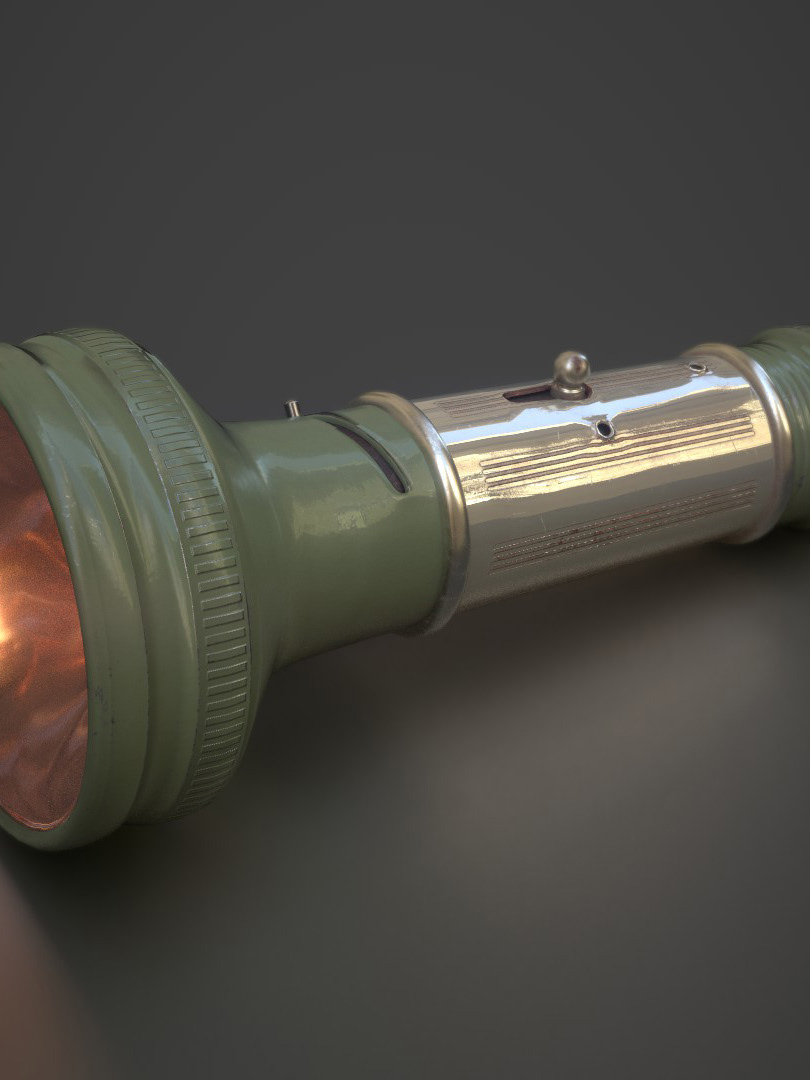
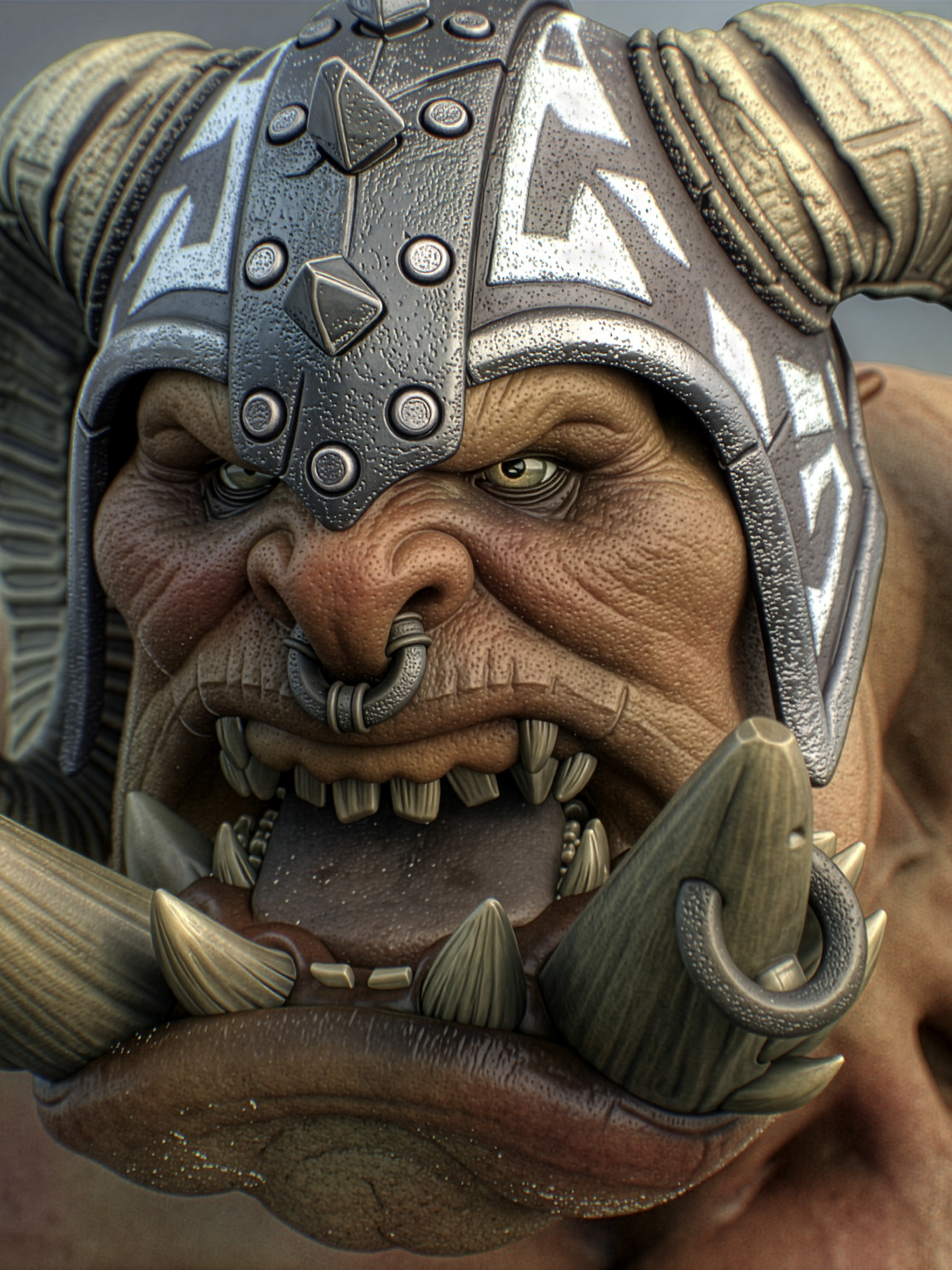
From 3D design to the final image
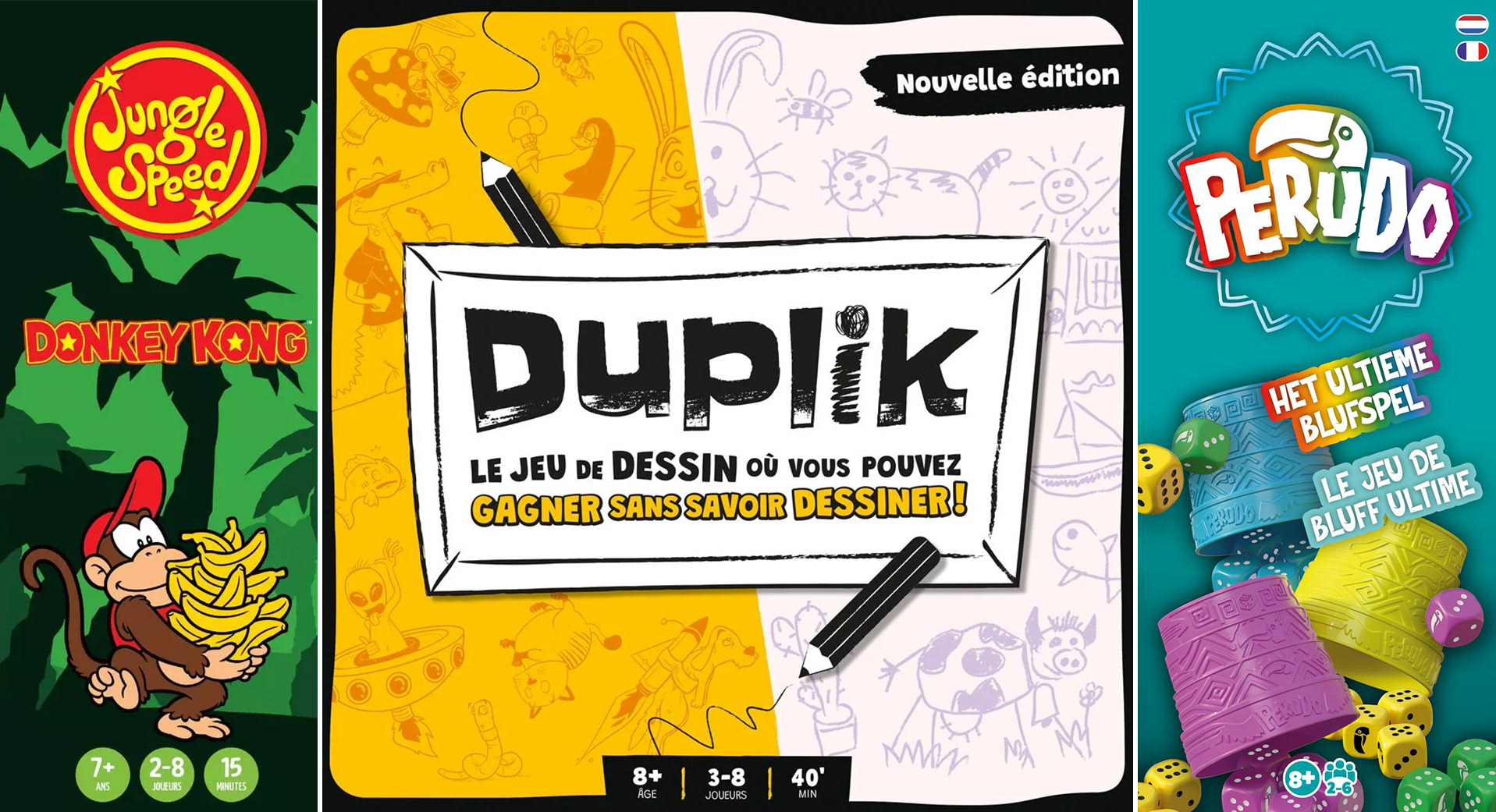
In 2025, I had the opportunity to create the marketing visuals and 3D assets for three major board games: Jungle Speed, Duplik, and Perudo.
My role covered both the production of promotional packshots as well as the design and modeling of elements intended for manufacturing.
My role covered both the production of promotional packshots as well as the design and modeling of elements intended for manufacturing.
Jungle Speed – Limited Edition, A Totem Reimagined for a Special Release
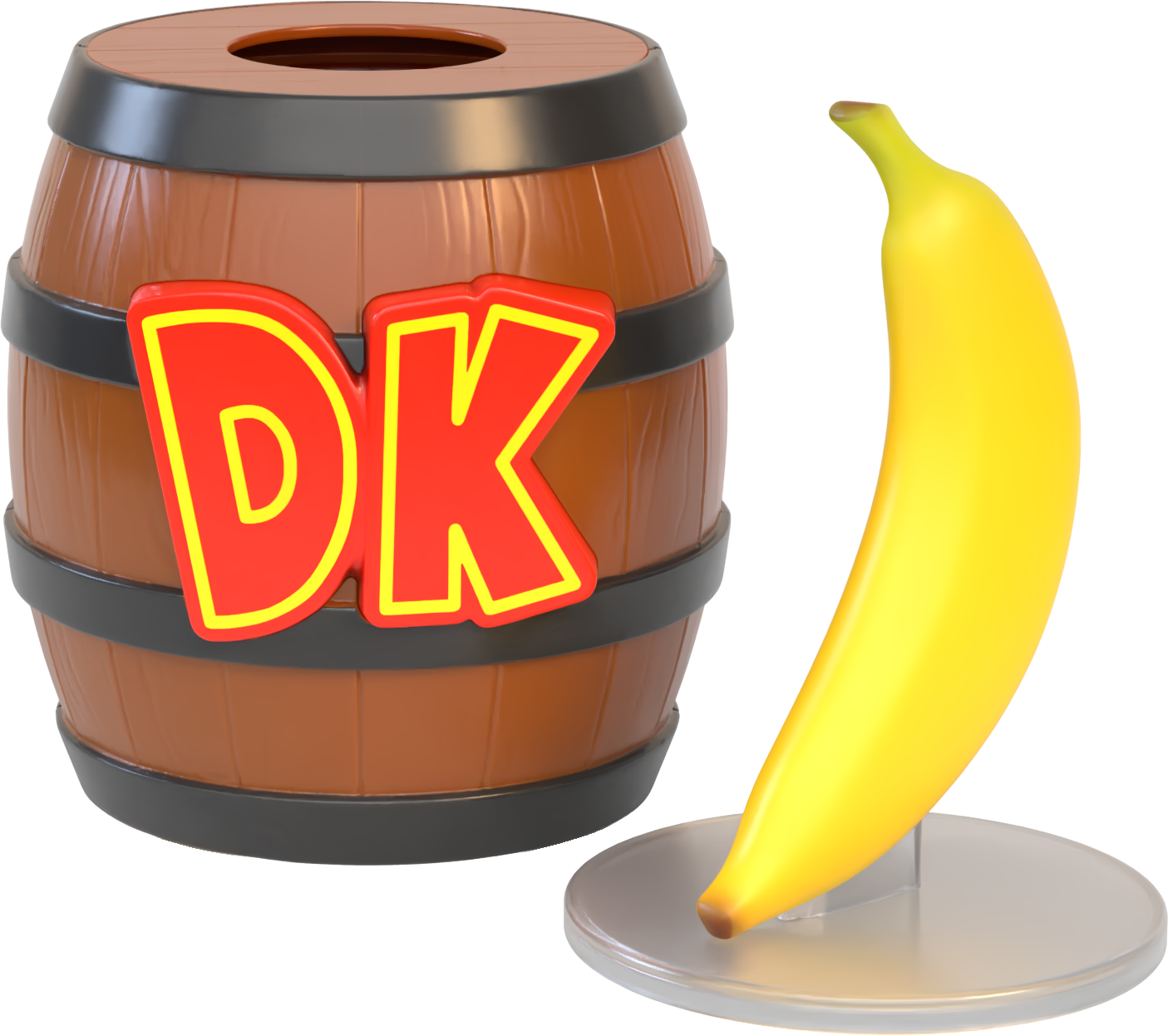
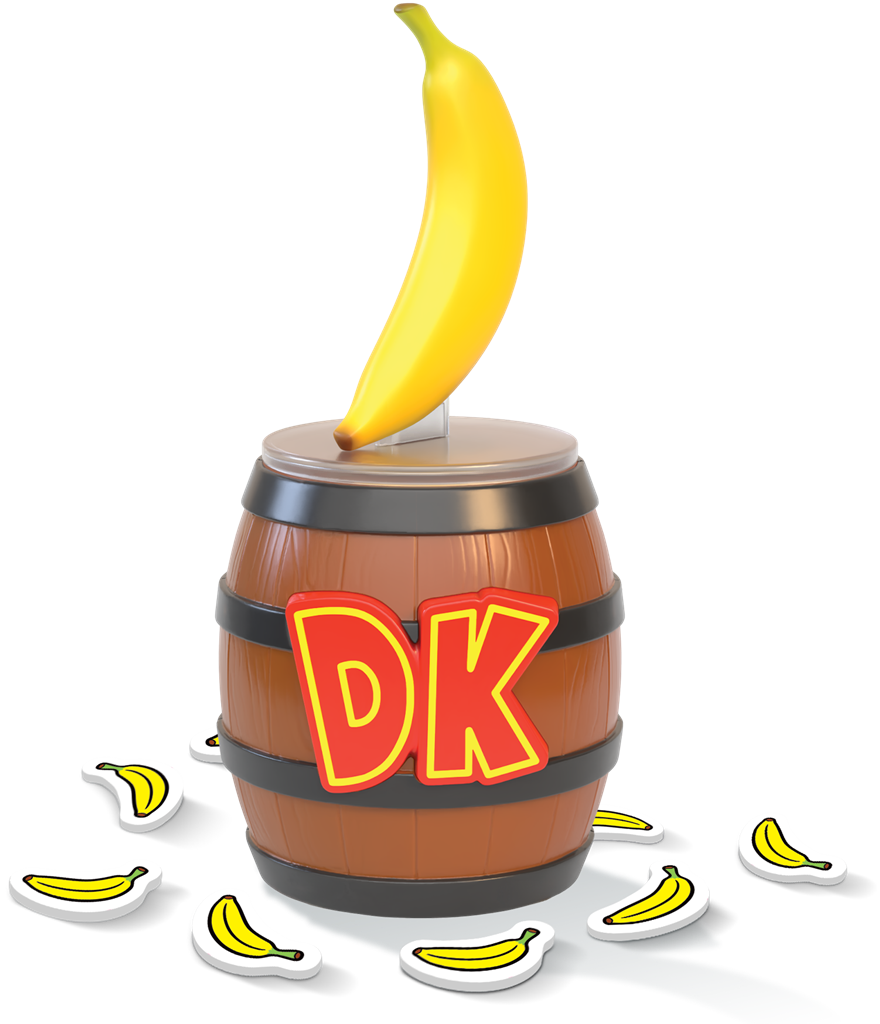
For Jungle Speed, I worked on both the creation of promotional visuals and the design of the totem itself.
👉 This mission went beyond visual marketing and also contributed to the making of the physical object. As a fan of Nintendo, the Donkey Kong series, and Jungle Speed, I was especially delighted to bring my personal touch to this iconic game. As shown in the videos below, on the left is the model originally provided by production, and on the right is my sculpting work for mass production, featuring a higher level of detail.
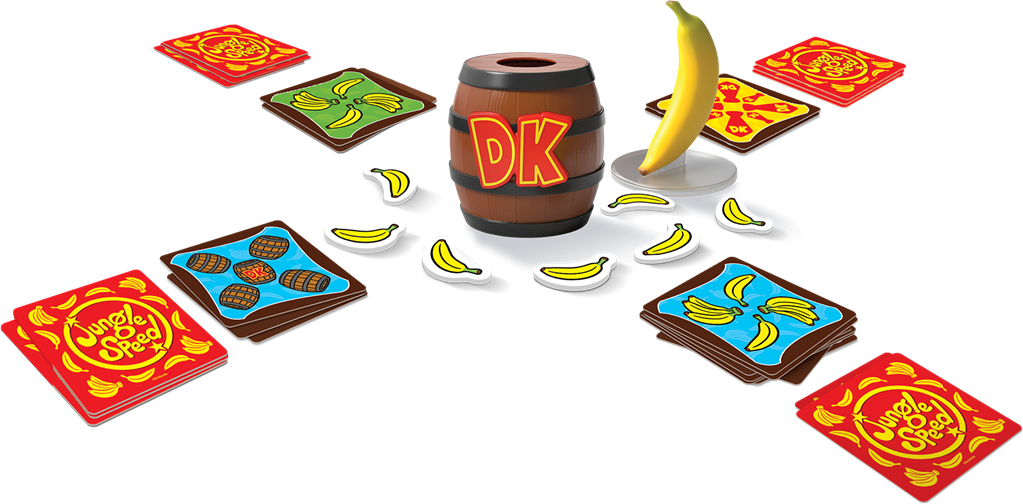
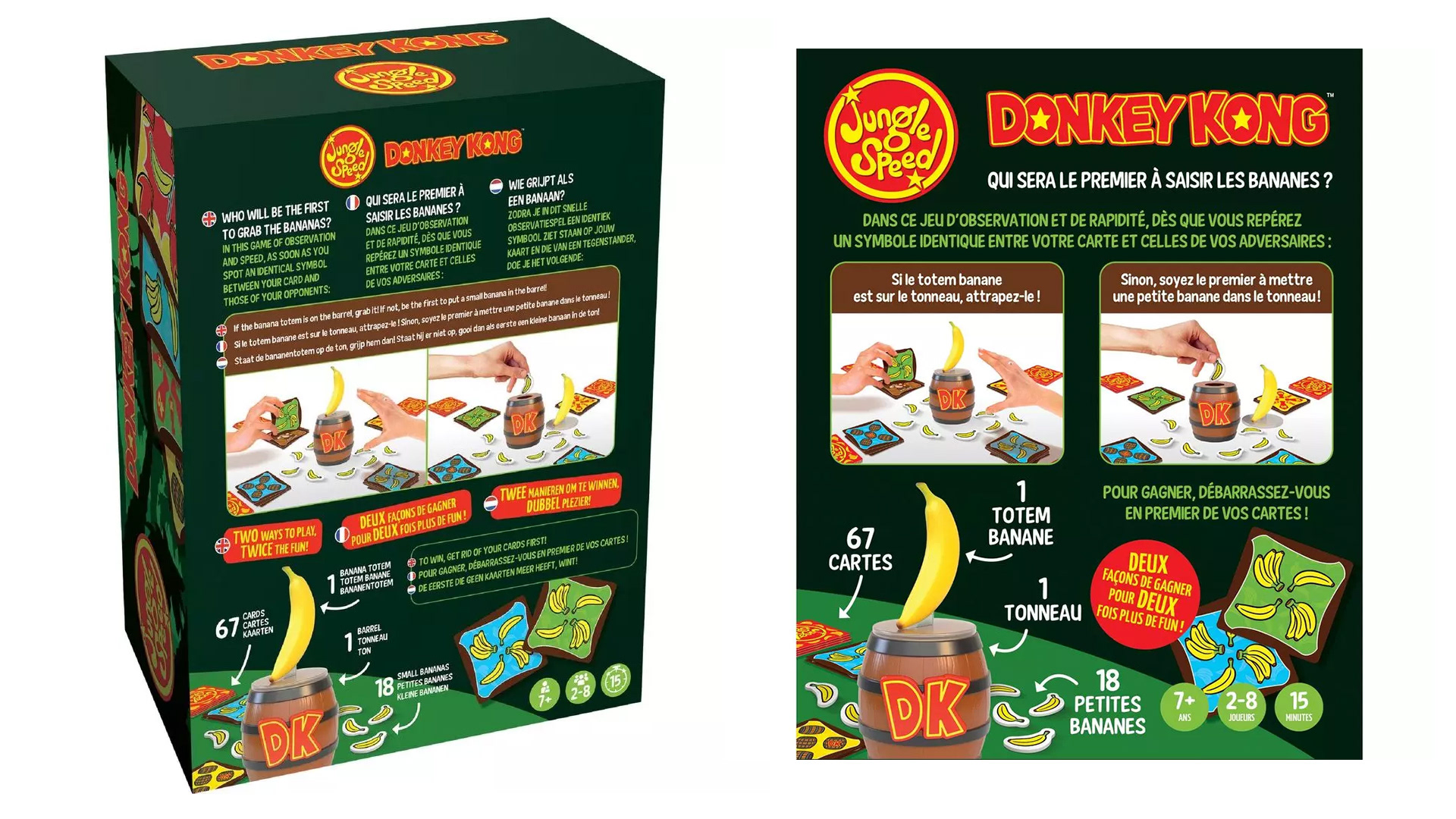
For the marketing visuals, I started from the high-definition 3D model I had designed for the physical object. I then optimized it to create lighter versions suitable for rendering, while keeping all the key details. This allowed me to generate high-quality textures and achieve realistic PBR renders.
Below are some of the images I created for packaging, online presentation, and other promotional materials.
Below are some of the images I created for packaging, online presentation, and other promotional materials.
🔗 Some links for Jungle Speed: Donkey Kong
BoardGameGeek — BoardGameGeek
Asmodee UK — Asmodee UK
Philibert.net — Philibert
Padis Store — Padis
Lotana — lotana.be
Duplik: the new editions
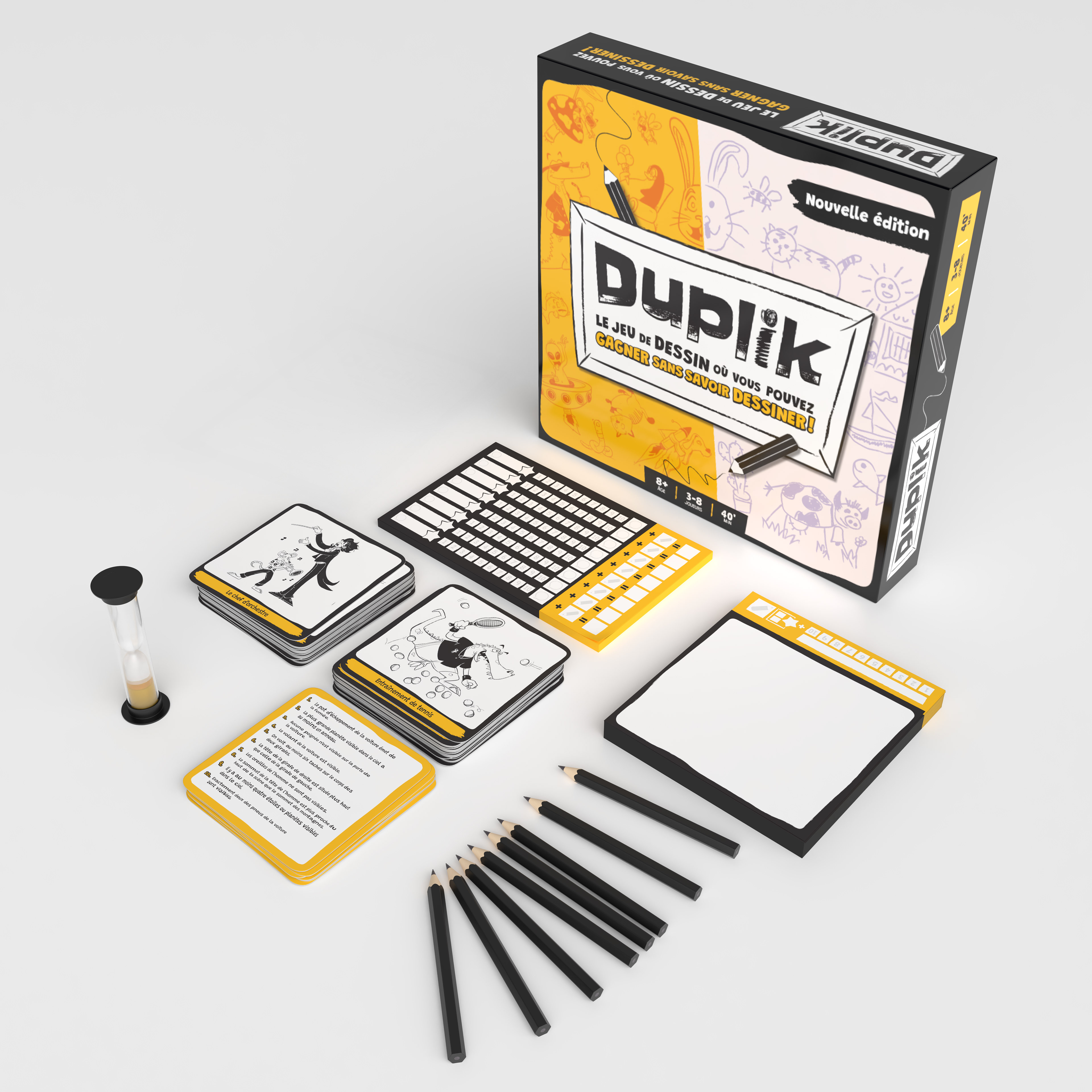
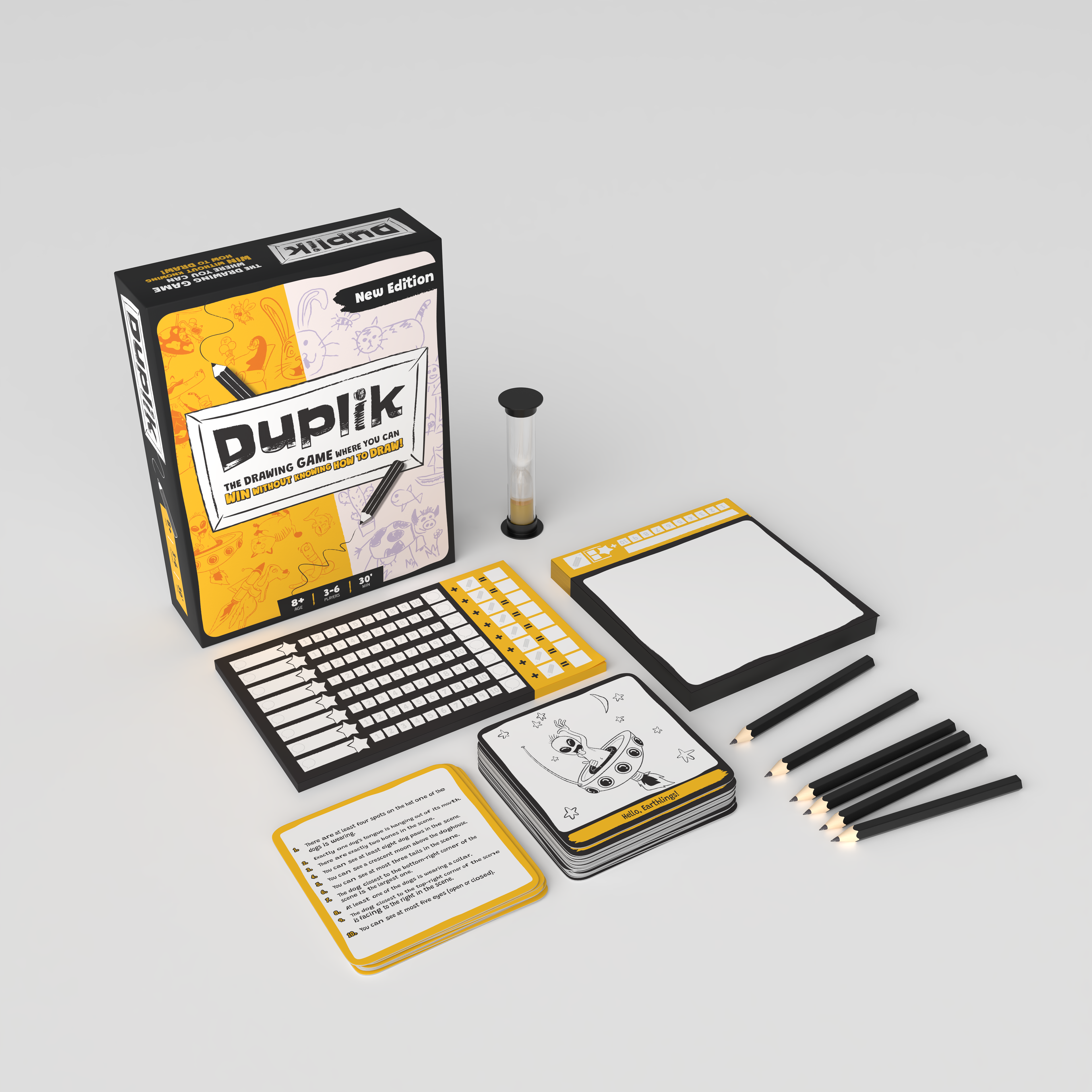
For Duplik: the new editions, I produced the marketing renders used for communication.
👉 The process included recreating and texturing all the game elements in 3D, with great attention to realism to remain faithful to the physical game. I then set up the 3D scene with lighting and rendering, producing intermediate outputs (ambient occlusion, texture passes) leading up to the final result.
Below is an example showcasing the texturing, layout, and rendering work during the production phase.
👉 The process included recreating and texturing all the game elements in 3D, with great attention to realism to remain faithful to the physical game. I then set up the 3D scene with lighting and rendering, producing intermediate outputs (ambient occlusion, texture passes) leading up to the final result.
Below is an example showcasing the texturing, layout, and rendering work during the production phase.
Shown below are examples of the final renders I produced.
🔗 Some links for Duplik The New Editions
Philibert — Philibert – Duplik
Ludum — Ludum – Duplik
La Grande Récré — La Grande Récré – Duplik
Smyths Toys France — Smyths Toys – Duplik
Espritjeu — Espritjeu – Duplik
Fantastik.fr — Fantastik – Duplik
L'Entre-Jeux — L'Entre-Jeux – Duplik
Perudo
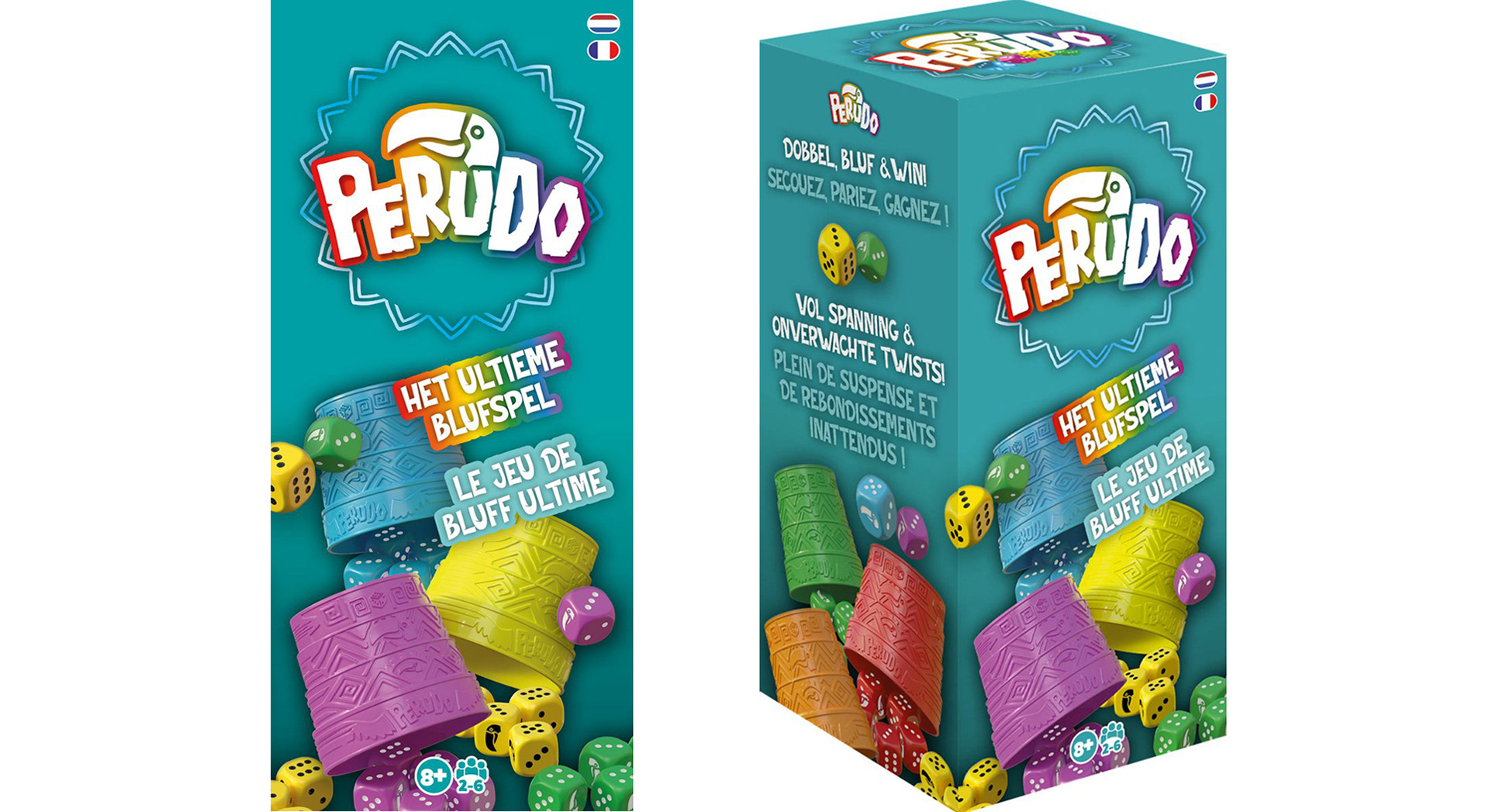
Below is an image provided by the production team showing the packaging visuals that needed improvement.
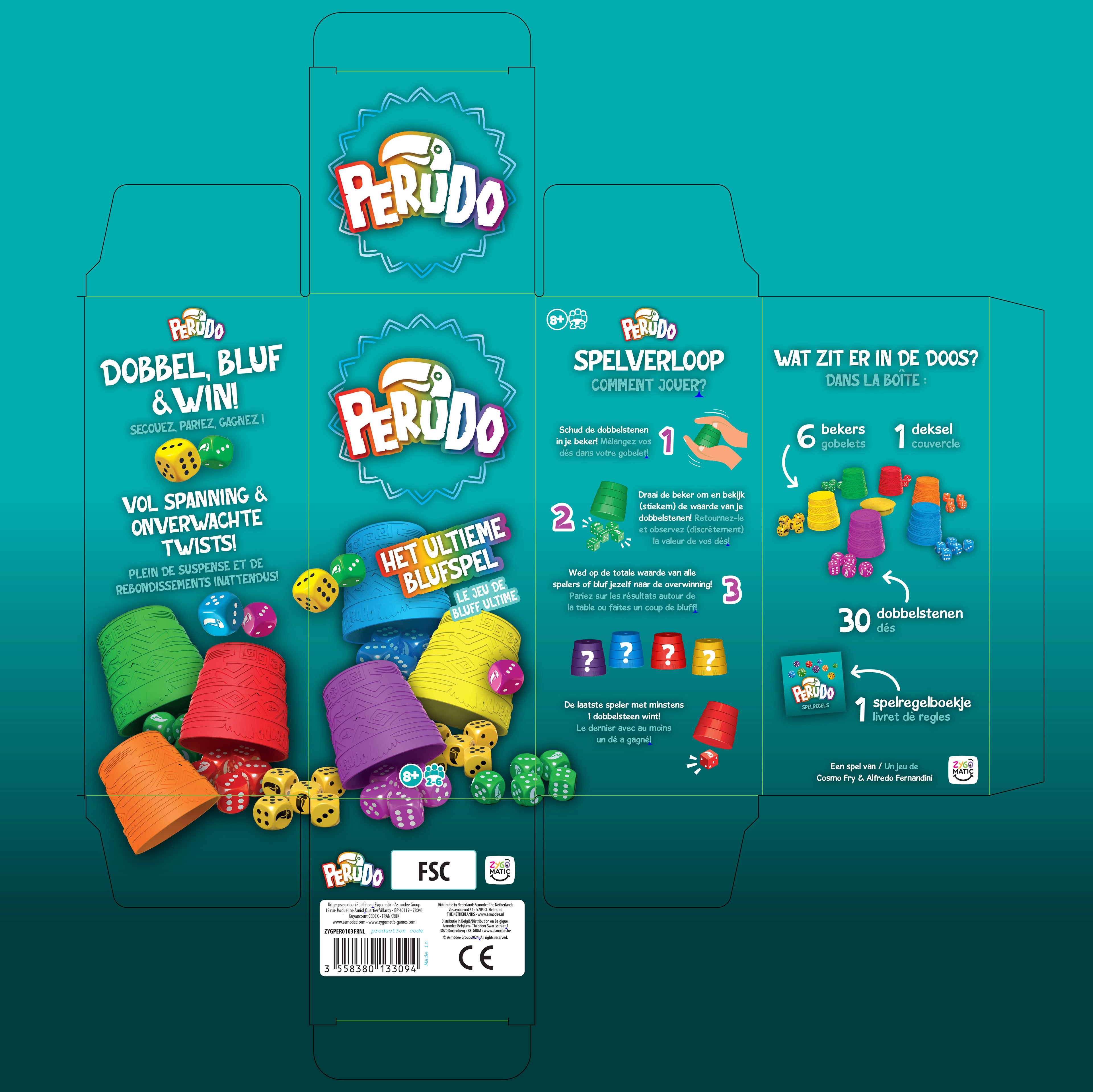
The red circles highlight the elements whose renders required enhancement to achieve a high-quality marketing image.
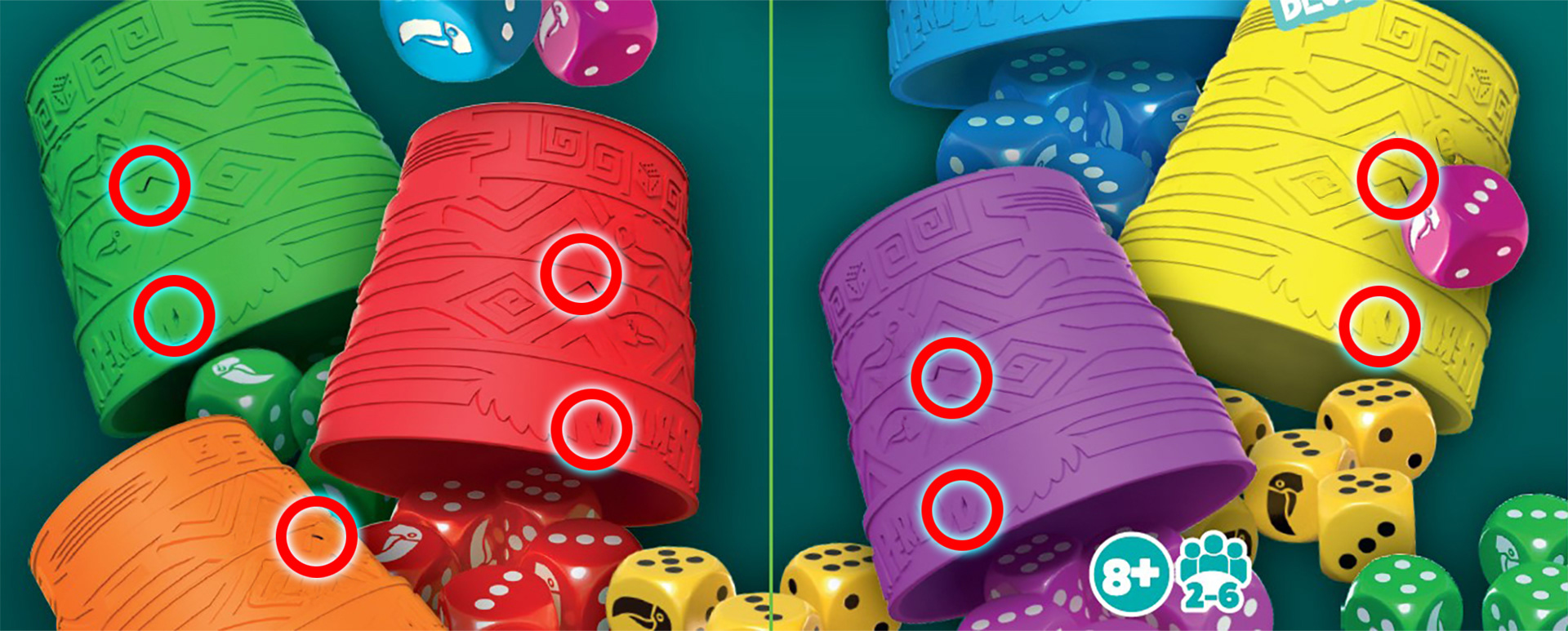
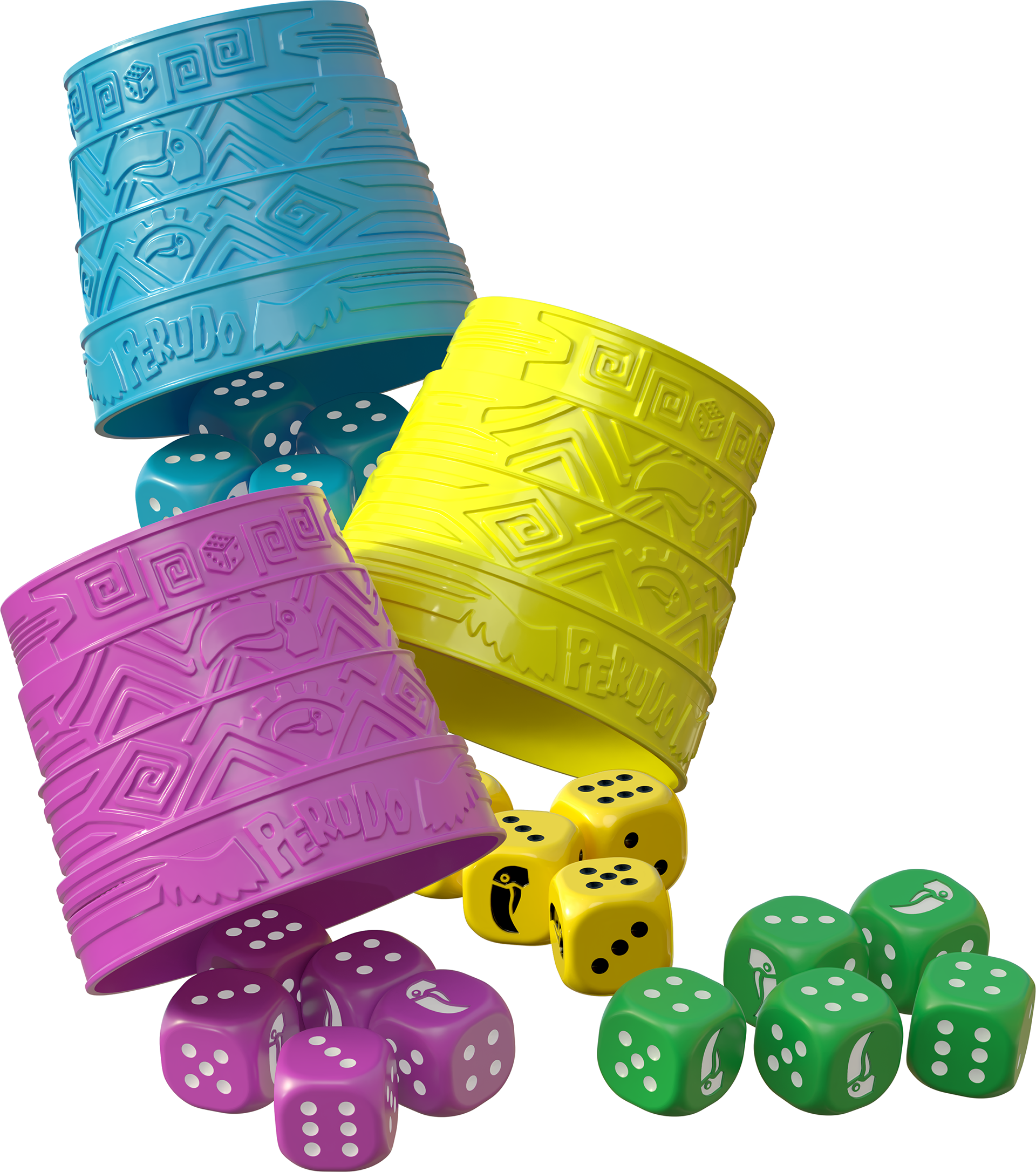
My task was to faithfully recreate the cups and dice in 3D, identical to the physical game. As shown in the video below, the left side displays the original cup, while the right side shows the improved version I created.
The same process applies to the dice, demonstrated in the following video. After modeling the 3D elements, I created a topology suitable for PBR texturing, then proceeded with 3D scene setup, lighting, and rendering.
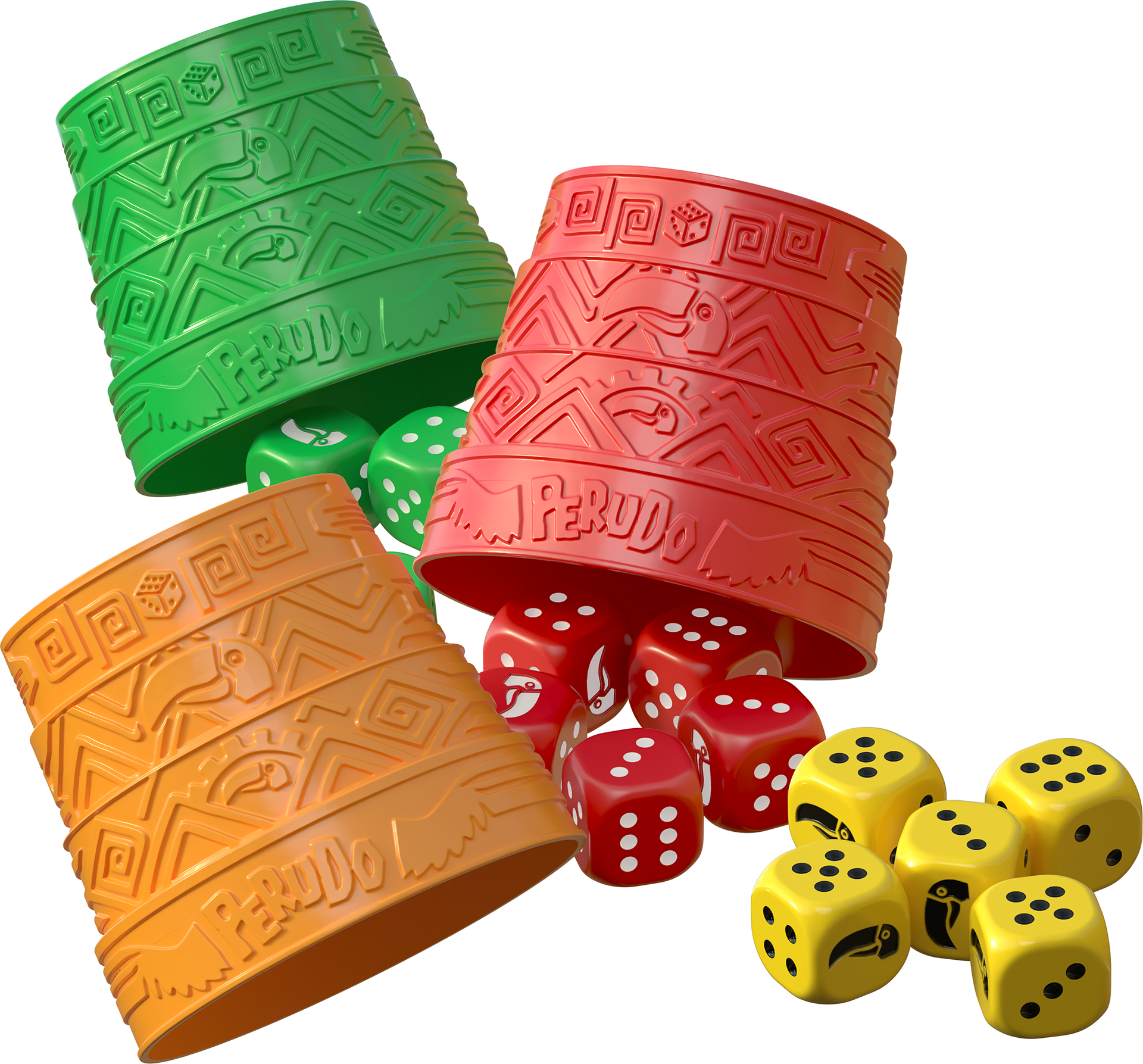
Below are examples of the 3D renderings I produced, which closely match the final appearance on the game boxes.
🔗 Some links for Perudo
Asmodee NL — Asmodee NL – Perudo
SpellenWinkel — SpellenWinkel – Perudo
Speldorado — Speldorado – Perudo
Intertoys — Intertoys – Perudo
Bol. — Bol. – Perudo
Fantastik.fr — Fantastik – Duplik
L'Entre-Jeux — L'Entre-Jeux – Duplik
Conclusion
These three projects highlight my skills in 3D modeling, PBR texturing, and high-quality marketing renders, all brought together to elevate the visual appeal of board games.
These three projects highlight my skills in 3D modeling, PBR texturing, and high-quality marketing renders, all brought together to elevate the visual appeal of board games.